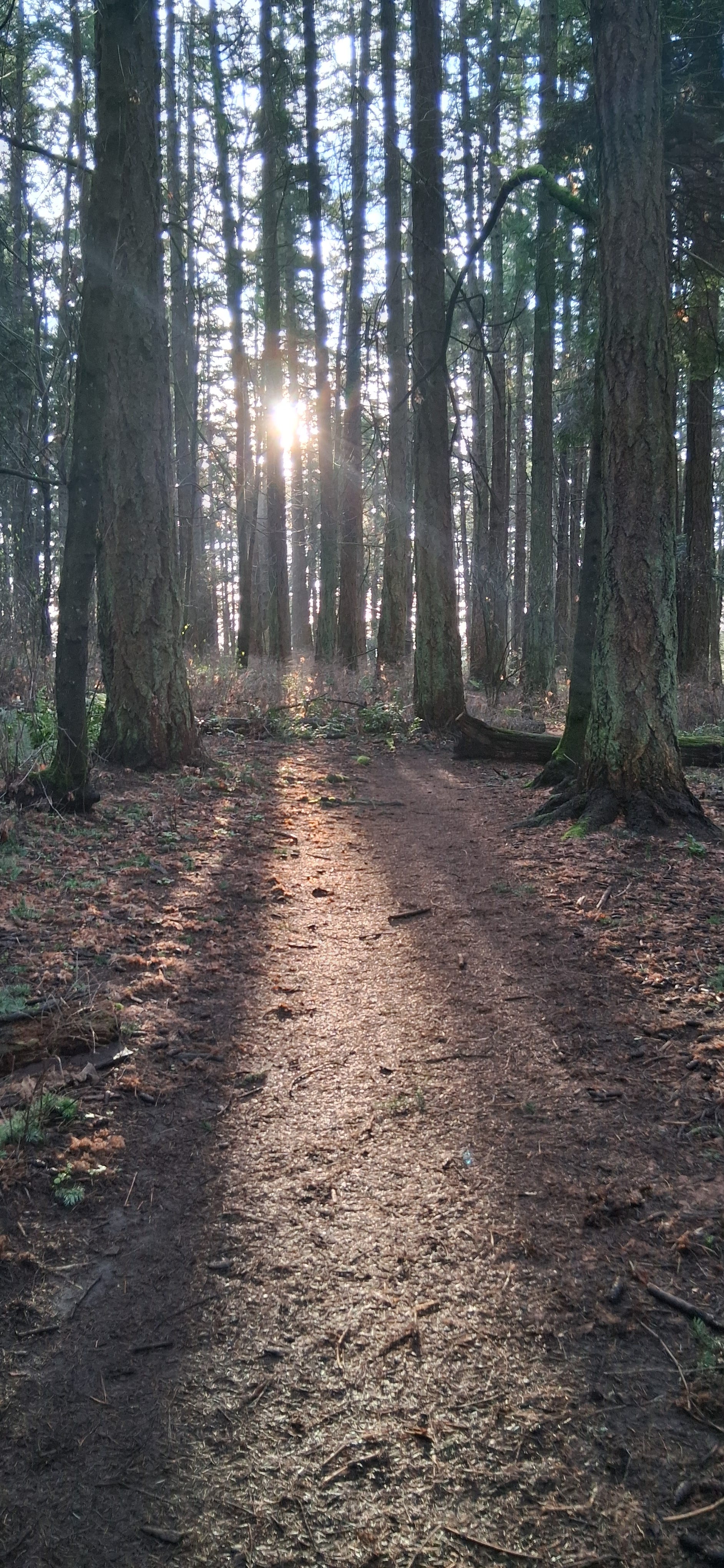
This morning I walked in a forest within the city that I haven’t visited for quite some time. I left feeling lighter and brighter. Beyond my reclaimed ease and inspiration, I took with me oxygen and the taste of pitch from a Douglas Fir tree.
Five of the six Haiku shared here were jotted down in the forest today. They are all examples of either my intentional sensory engagement or my awareness of the adaptive wisdom of the wild species living there, which ties into Reconnection series I’ve been sharing.
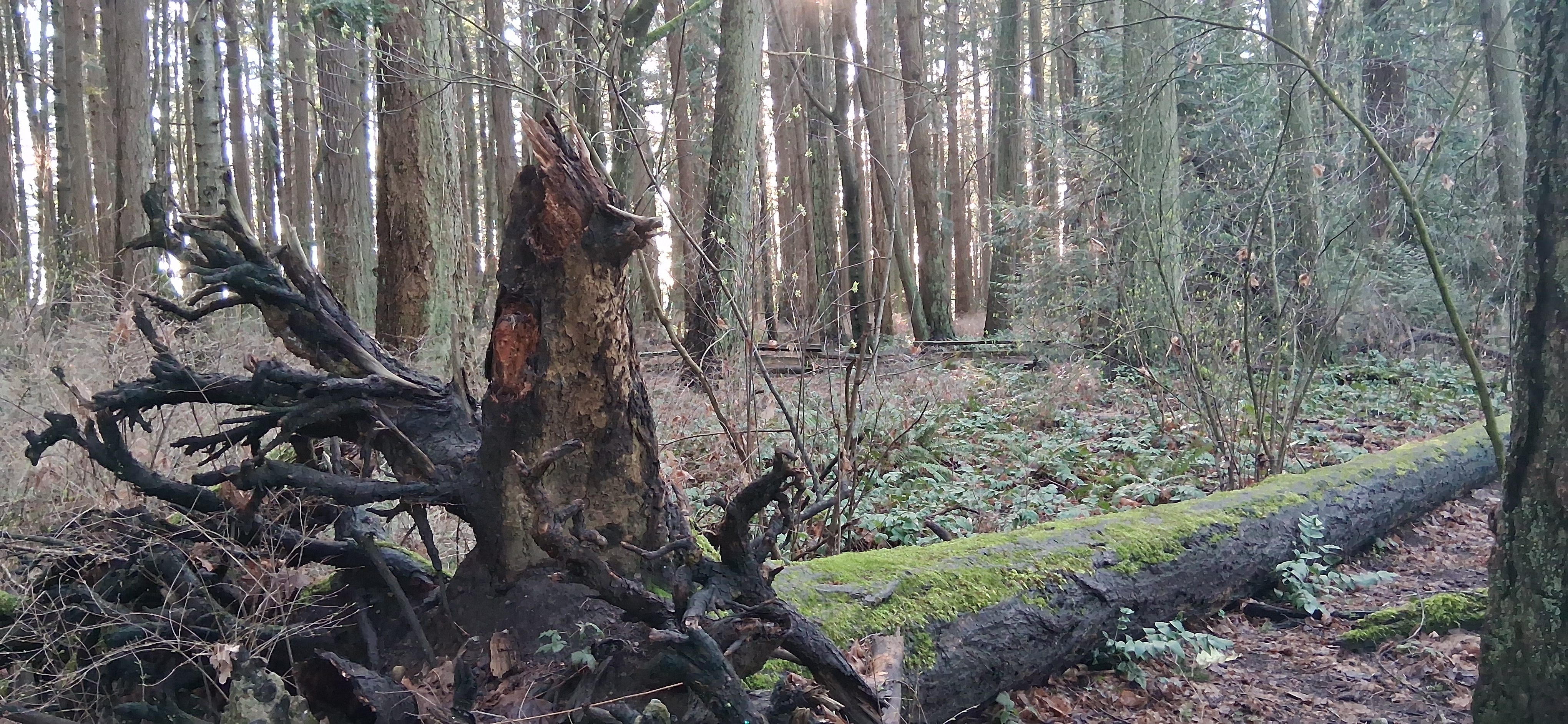
Hearing the forest
Wind stirs in the canopy
Where hidden birds call
…
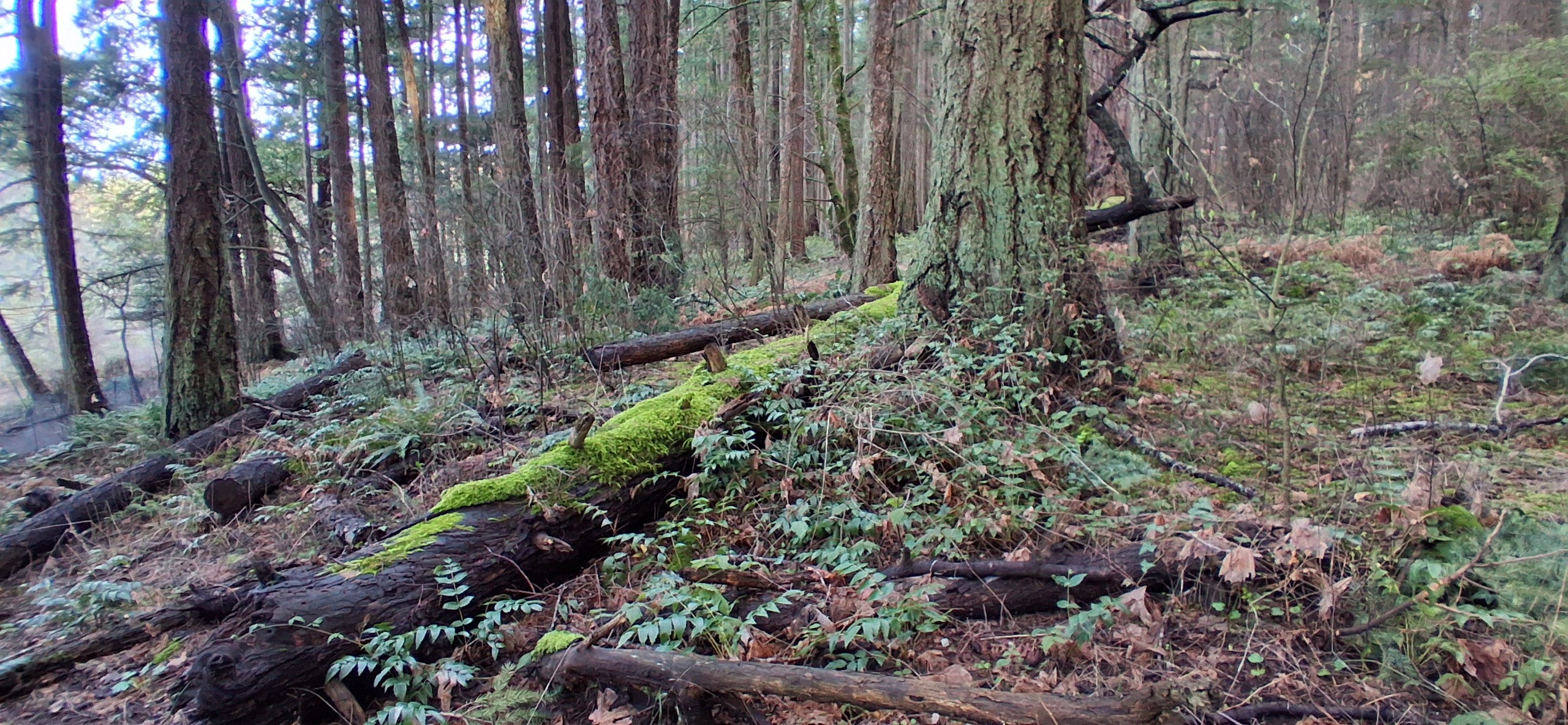
Tree stands long and tall
Generations of humans
Come and go again
…
Conifer trees have been on Earth for 300 million years. Imagine all that their ancestors have lived through! I recently shared a photo and comment about Moss online and to date almost 3000 people have liked it. (I’ve never experienced that kind of online engagement before and not nearly so many people engaged with my meditations or my more serious commentary on Ecological Economics!) Nevertheless, I am so glad that so many people appreciate Mosses, which have been on Earth for approximately 450 million years. Moss knows more than we do. How else would it survive on this planet for so long? What can we learn from the adaptations of Mosses and Conifers?
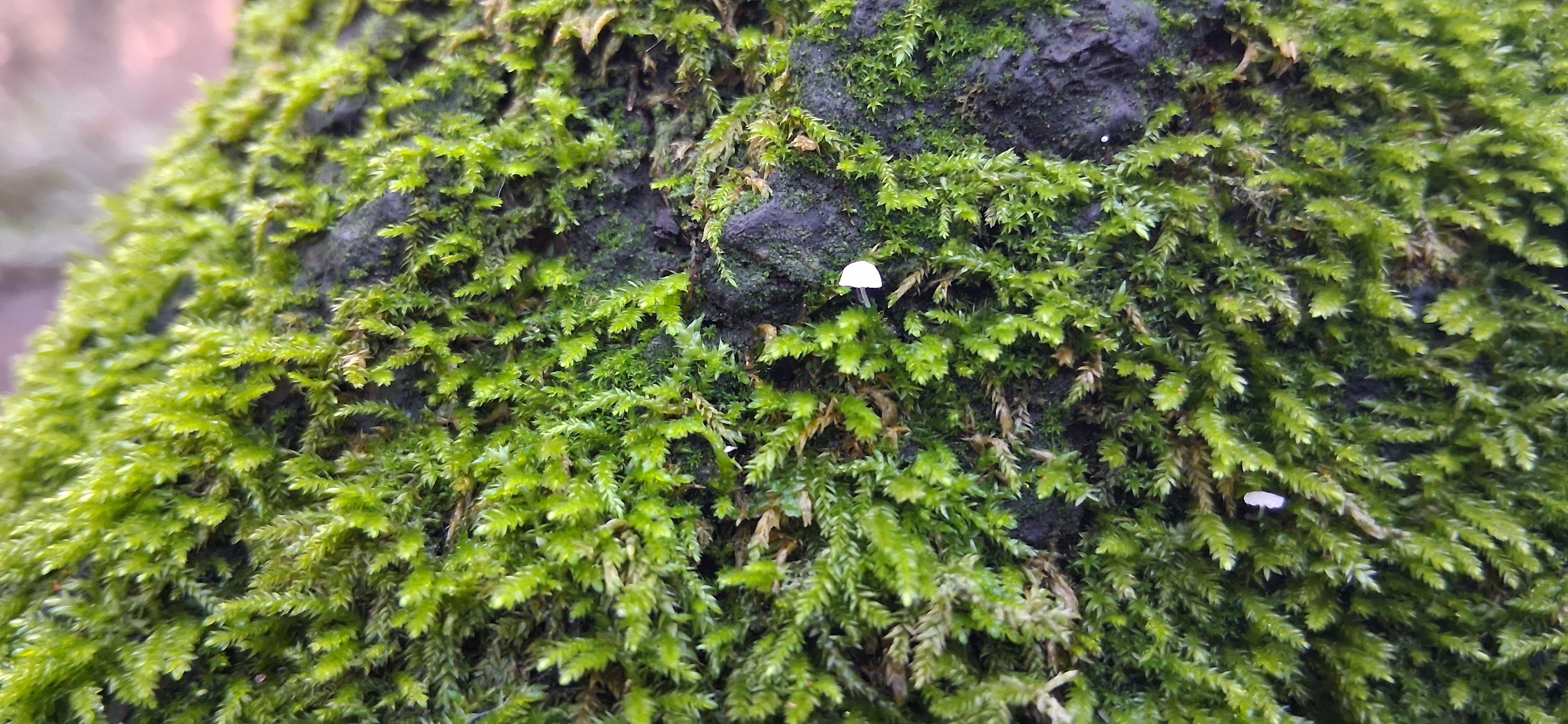
Moss covered tree trunk
Northern blankets gather dew
Paraphyllia
…
Paraphyllia are leaf-like tissues that cover the stems of some Moss species. They have a number of functions, including water retention. Unlike Conifers, mosses do not have vasculature. Without vascular structures to transport water, they keep their bodies very small. They also differ in that they reproduce by spore, rather than by seed. The evolutionary stepping stone between Conifers (grouped with other Gymnosperms) and Bryophytes (Mosses), is the vascular spore-bearing plants, like Horsetail (Equisetum spp.) and Ferns.
…
How do you feel when you caresses or rest on Moss?
Smell of oozing pitch
Running down riveted bark
A tree heals its ache
…
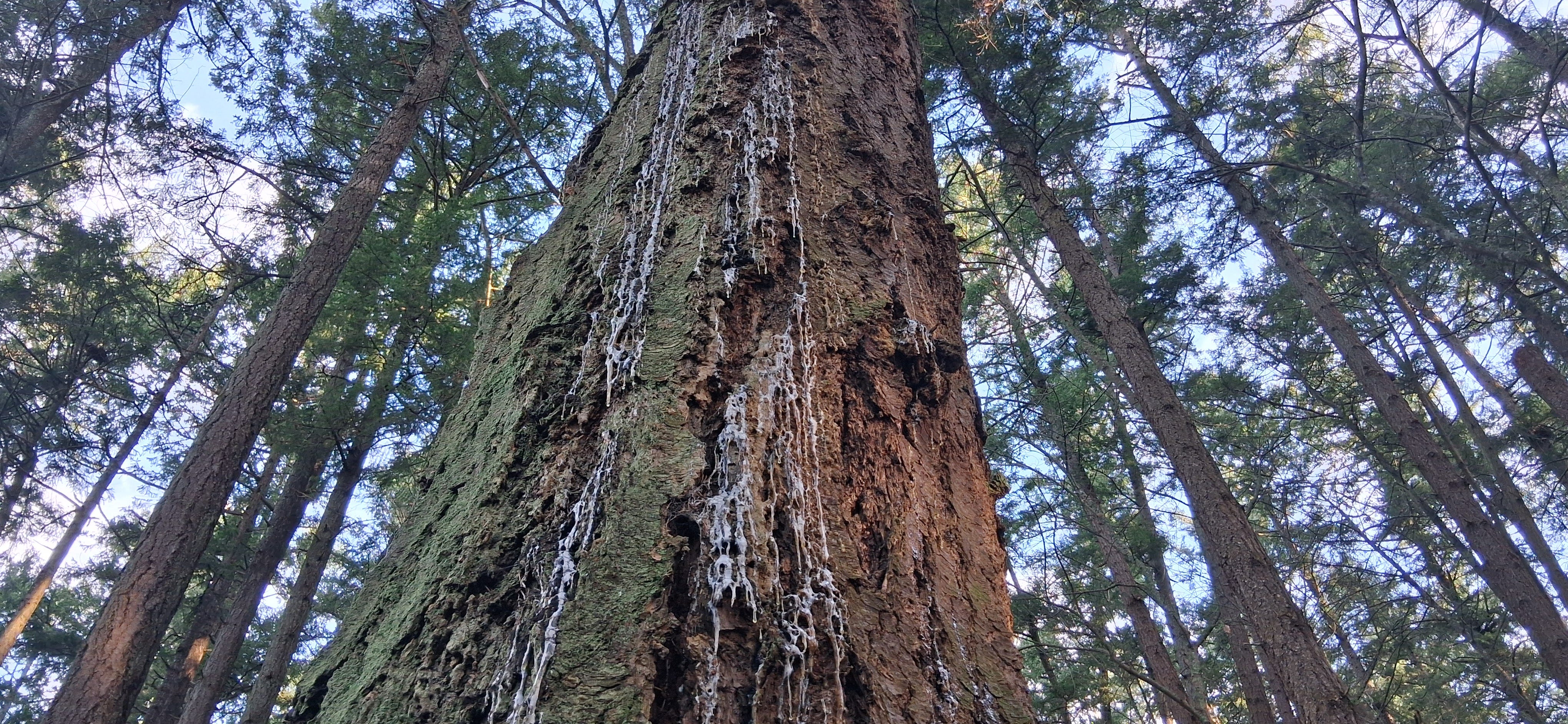
This is a great example of a plant adaptation that humans also make use of for medicine. This is my other recent writing about humans connecting with medicinal constituents from plants.
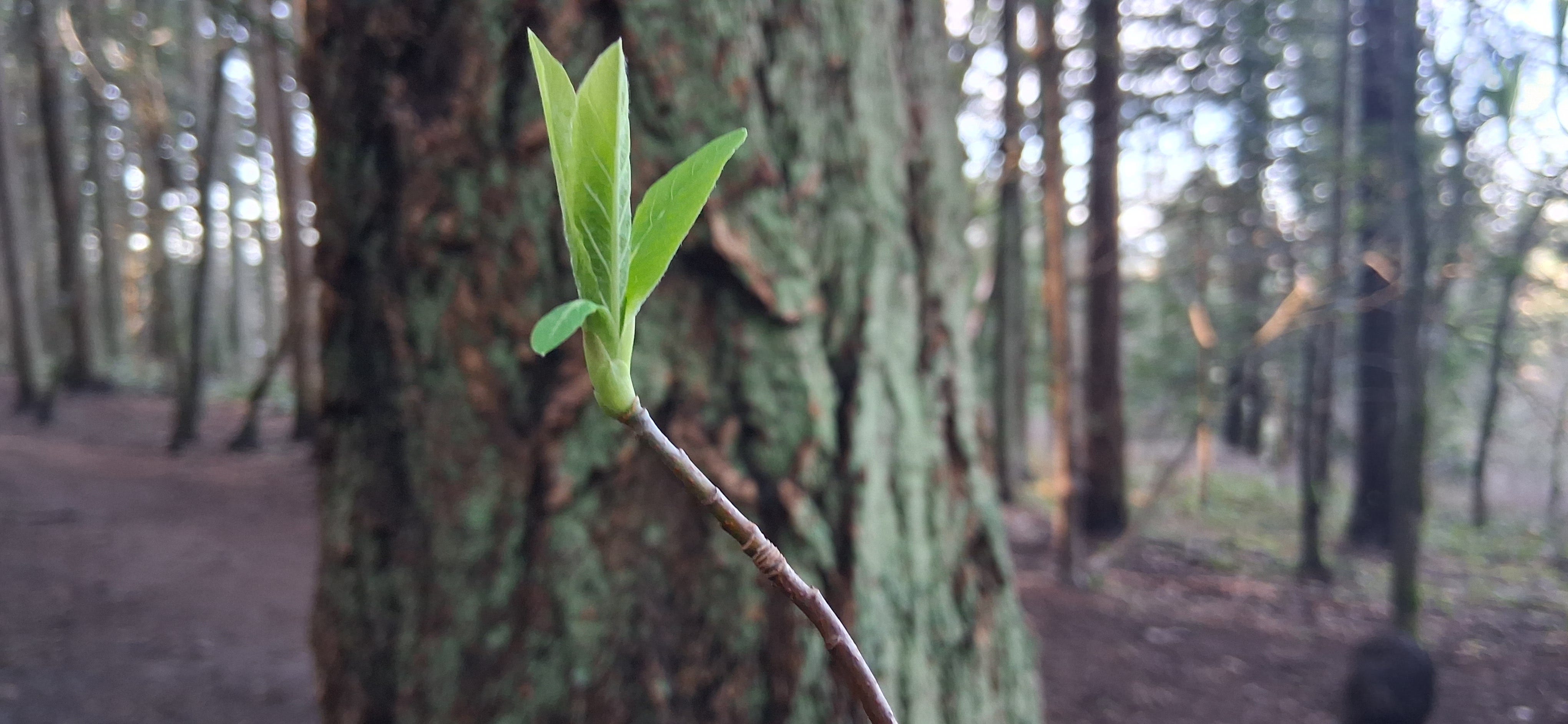
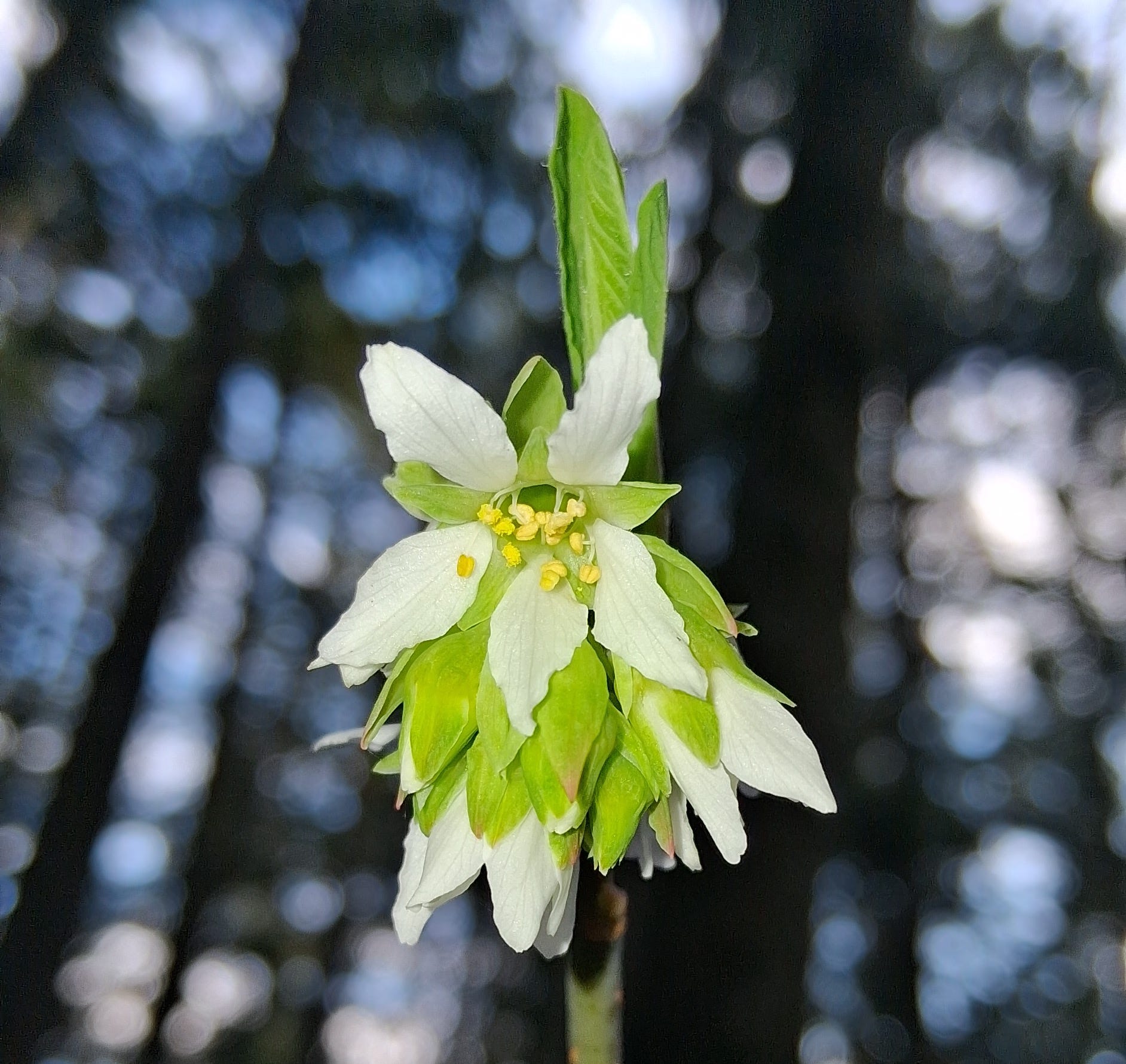
Taste of June Plum leaf
In the February cold
Bitter cucumber
…
An old and wise tree
Standing since my ancestors
Landed on these shores
…
One of the things I really appreciate about the online community of writers and artists is the chance to connect with people who live on the lands that my ancestors came from. There is something that quivers in my heart when I see photos, read about rituals, or hear about forest conservation in my ancestral lands in Europe. There is a lot of grief, longing, and love that I feel related to experiencing disconnect from ancestral lands, connection to local lands here, and knowledge of how colonization creates loss of culture, language, and a sense of place.
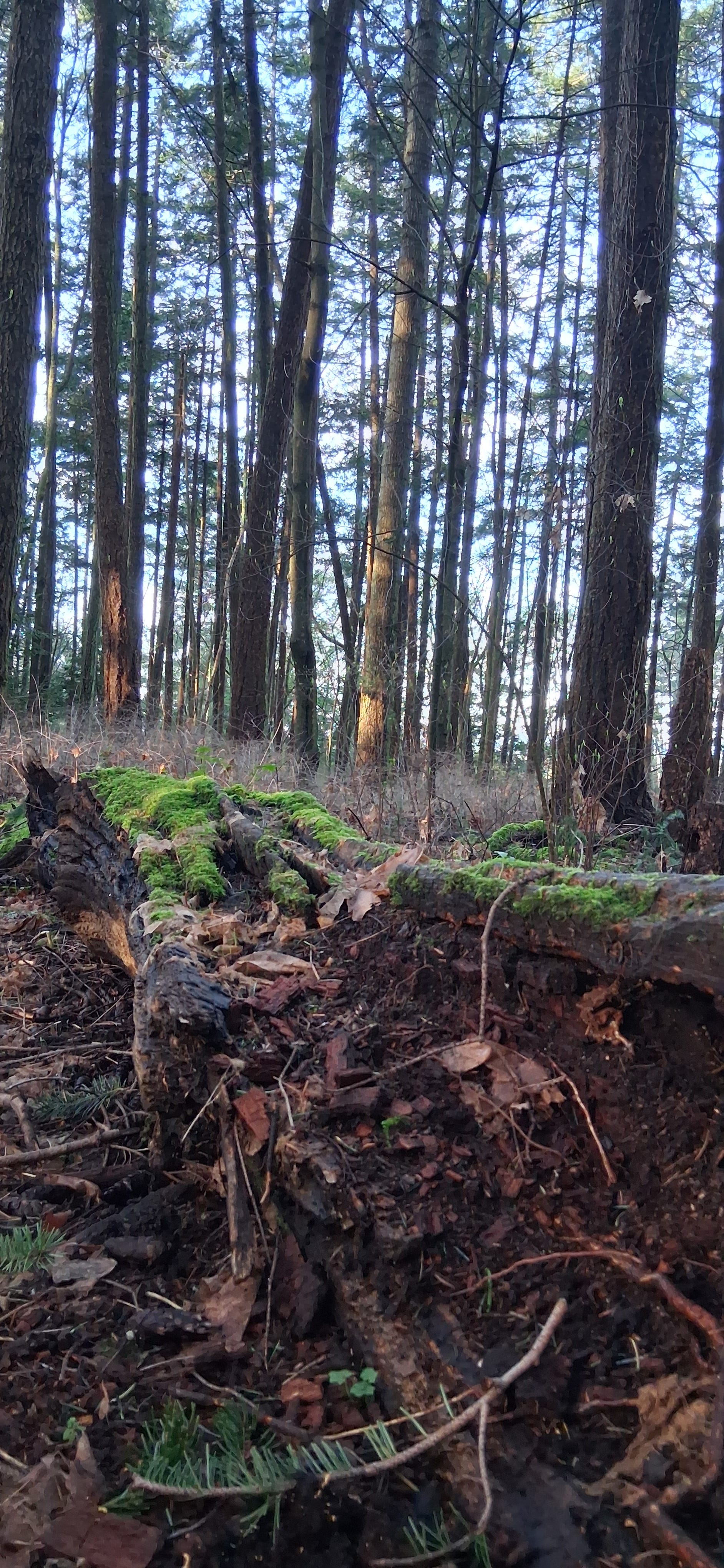
This morning as I observed standing snag trees, unearthed root systems, and decomposing “nurse” logs, a question arose in my mind. What will I leave to nourish future generations?
…