
Reconnection: The morphological language of plants
Interpreting the adaptive resilience of our plant allies

This is part of the Reconnection series, originally based on an in-person forest experience that invites people to remember their inherent place in nature. This article pairs with the previous shared Adaptation meditation. At the end of this article I will link the written and audio versions of the Adaptation meditation.
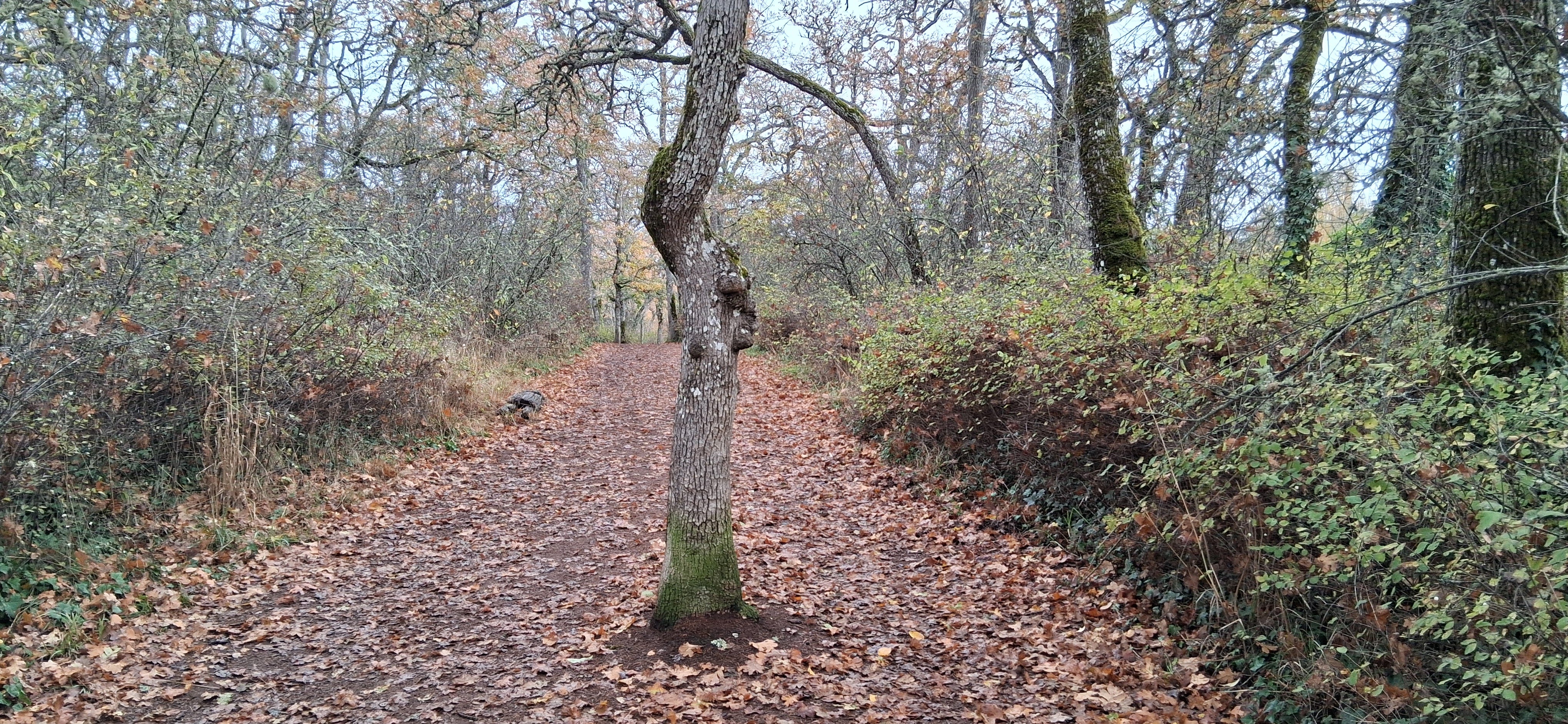
As I step onto the trail I feel the springy cushion of Earth beneath my feet. Bird calls lift my gaze and shift my attention from my troubles to the space around me. Receiving sensory cues brings me into the present moment. I begin to intentionally engage with my senses more, knowing that this practice will bring me into alignment with the landscape around me. Visually, I see numerous plants that I know and love. I observe their current stages of growth, appreciating the impermanent blooms of flowers and the ever-present vibrancy of fern fronds. Alongside my observations of plant allies, I observe both steady and shifting aspects within myself.
I tune into each of my eight senses:
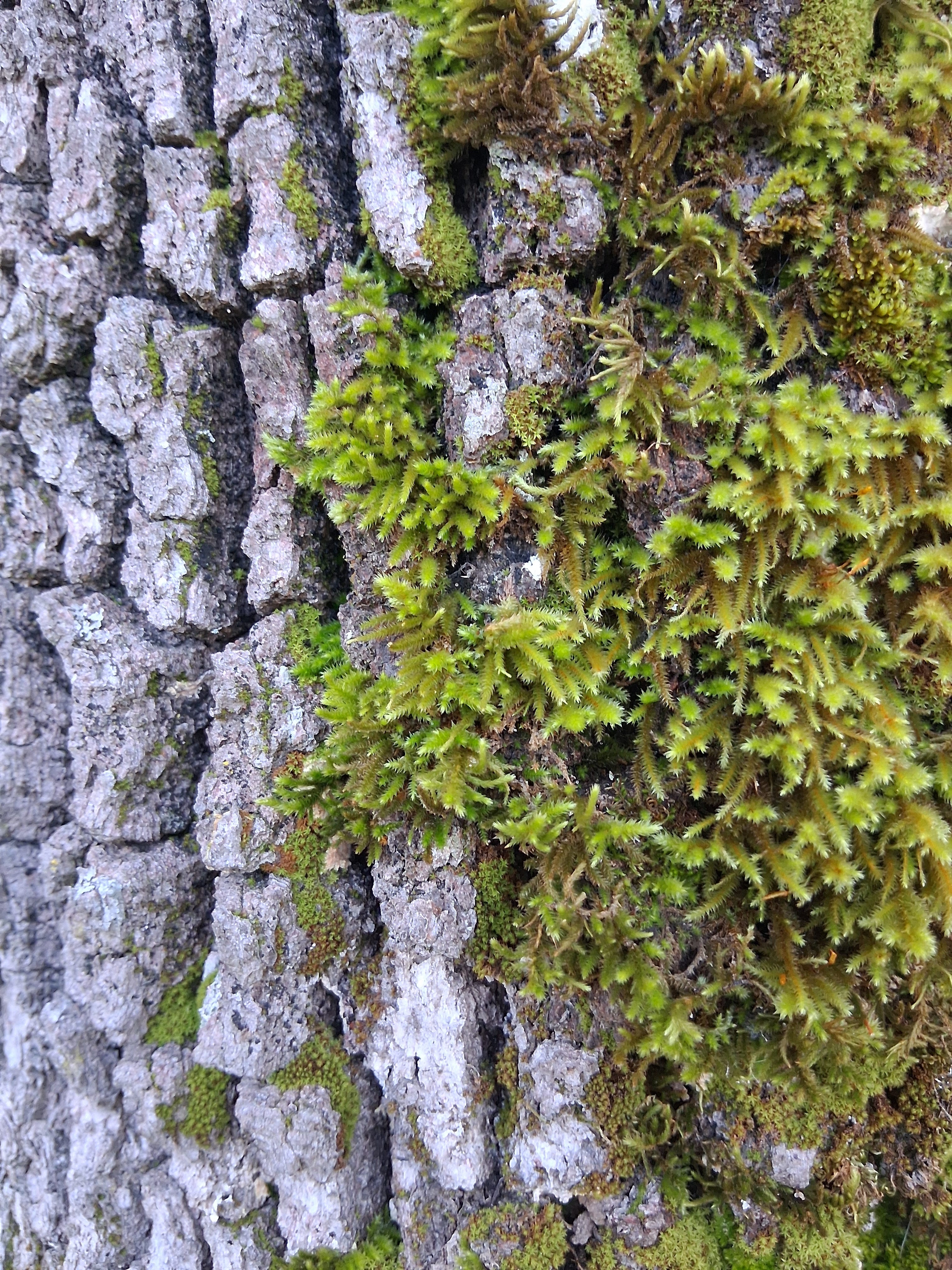
Touching rough Oak tree bark and soft Moss.
Feeling proprioceptive input from the hardness of tree roots that I step on periodically.
Hearing calls from birds hidden somewhere in the canopy above me.
Smelling earthy aromas as I stop to get up close to an epiphytic mini-universe of Moss and Ferns living on a low tree branch.
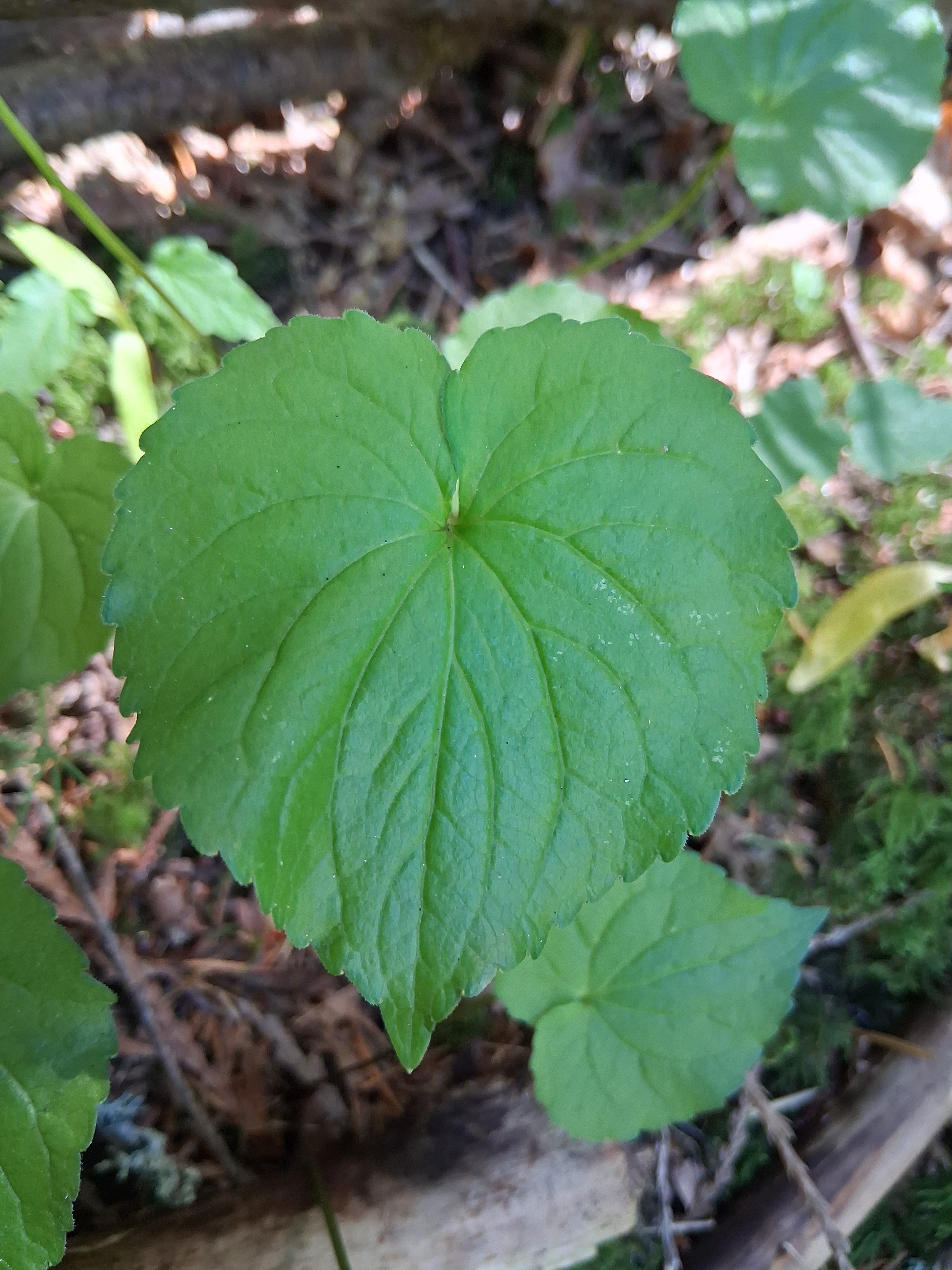
Tasting the cucumber-like taste of unfurling spring June Plum leaves.
Seeing the sporophytes of Moss reaching skyward and the downward drooping June Plum flowers.
Receiving Vestibular input as I balance while climbing a small rocky outcrop.
Finally, tuning into Interoception to sense my internal world, noting how my temperature shifts as I walk, how my mind settles, and how emotions stir as plant shapes remind me of my worries, hidden just below the surface in this moment.
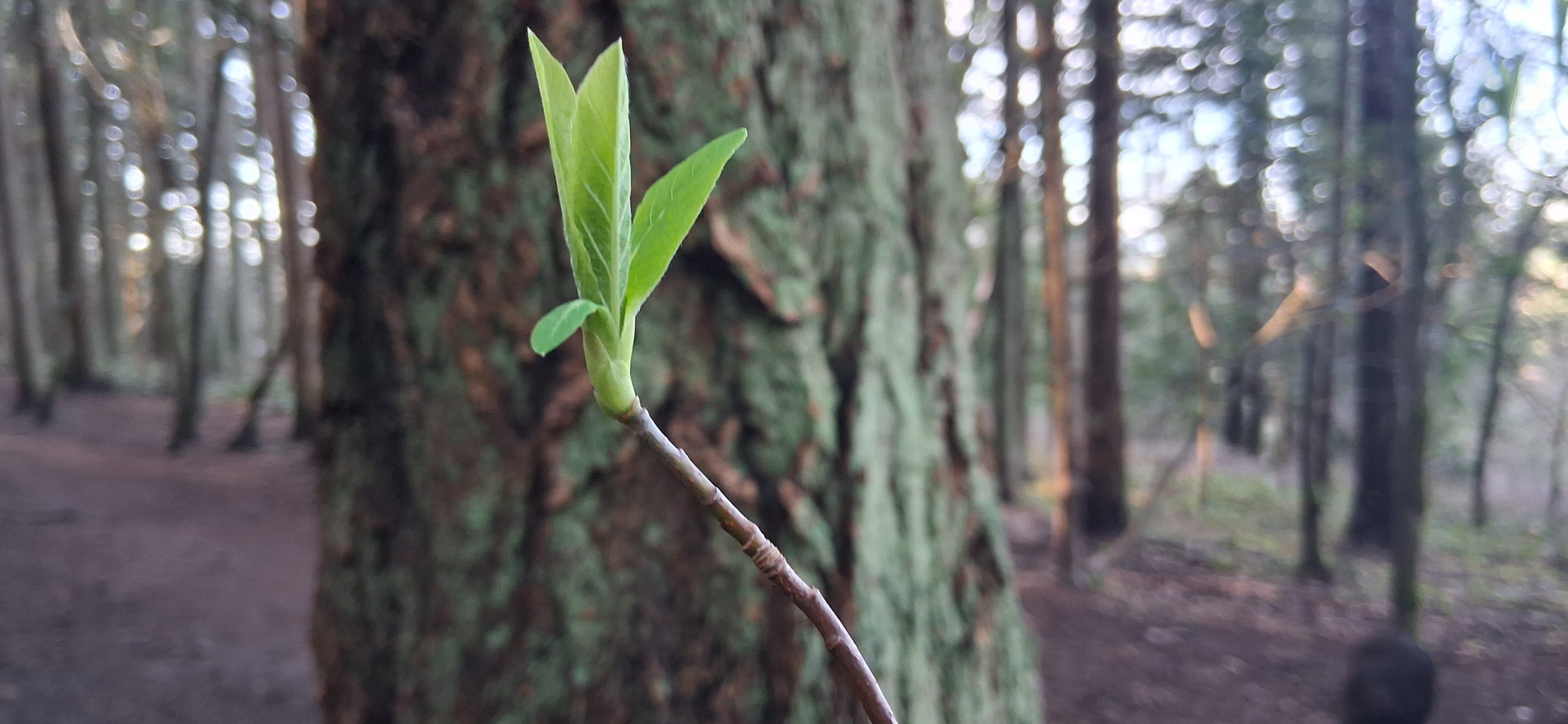
I haven’t walked far, and with no destination in mind I am taking it slow and trusting the medicine of presence and intention to guide me. With my senses engaged, I allow myself to slow further by finding plants to be with. I am connecting with both the chemical language we share with plants, and the morphological language of plants, interpreting their adaptations to environmental stressors. Just as I sense my environment and make adjustments to cope, the plants sense many changes in their environments. We are both coping with changes around us, and I am here hoping to glean some wisdom from their hundreds of millions of years of adaptation.
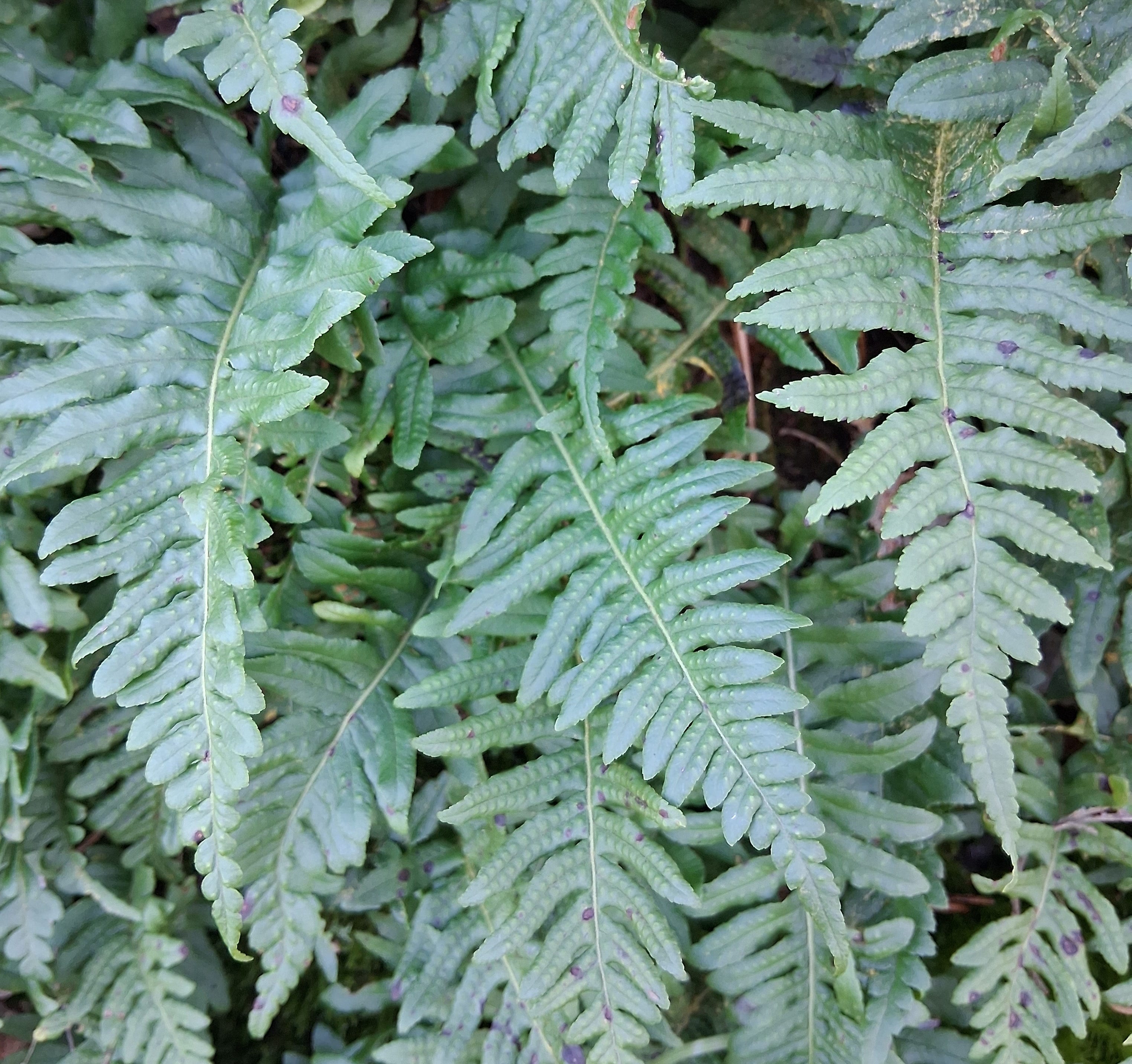
Plants need to adapt to various stressors in their environments, including pathogens, predators, limited access to light, nutrients, water, and space, as well as, temperature changes, droughts, floods, and soil conditions. They do so through changes in shape and structure (morphology), and chemistry, as well as as through symbiotic relationships and changes in reproduction. They shift the timing of lifecycle phases affecting seed germination, flowering, and dormancy. While our human stressors and coping mechanisms differ, we are similarly finding ways to adapt. We are all embedded in the same ecosystem, locally subject to the same climate, experienced within ever-changing chronobiological rhythms as part of our experience within the coherent whole of Earth.
Our species has been adapting alongside plant species for millennia. Because of this structural coupling, we are able to connect with the chemical language of plants with no effort. We receive basic sustenance and medicinal constituents through our inherent capacity to give and receive based on our shared evolutionary history. The morphological language of plants is perhaps the softer, less direct information we can access. Though not direct chemical messaging, and more subjective to interpret, the morphological language remains accessible to us, with potent lessons for healing the emotional, spiritual, and social aspects of our experiences.
This excerpt from my previous writing about a Reconnection walk describes an observable pattern in tree morphology with analogous human application:
I observe the morphology of the Cedar trees and learn from their adaptations. The giant Cedars throughout the forest have scaly leaves at their peaks, but below in the shade, their branches no longer hold leaves. They seem to abandon these branches, covered in moss, remnants from a different stage of their lives. They no longer put energy into something that doesn’t nourish them. We too can let go of what no longer nourishes us. We may have begun something, but if it isn’t the right path or placement, then why not be like Cedar and shift our energy to where we thrive?
Along the trail, I saw two thin Cedar trees that bent notably from their starting point. Though securely rooted in their place of origin, they curved and made their main vertical climb at least a full metre to the side - presumably finding a place that suited them better. Sometimes we too need to side-step and find a better place for ourselves.
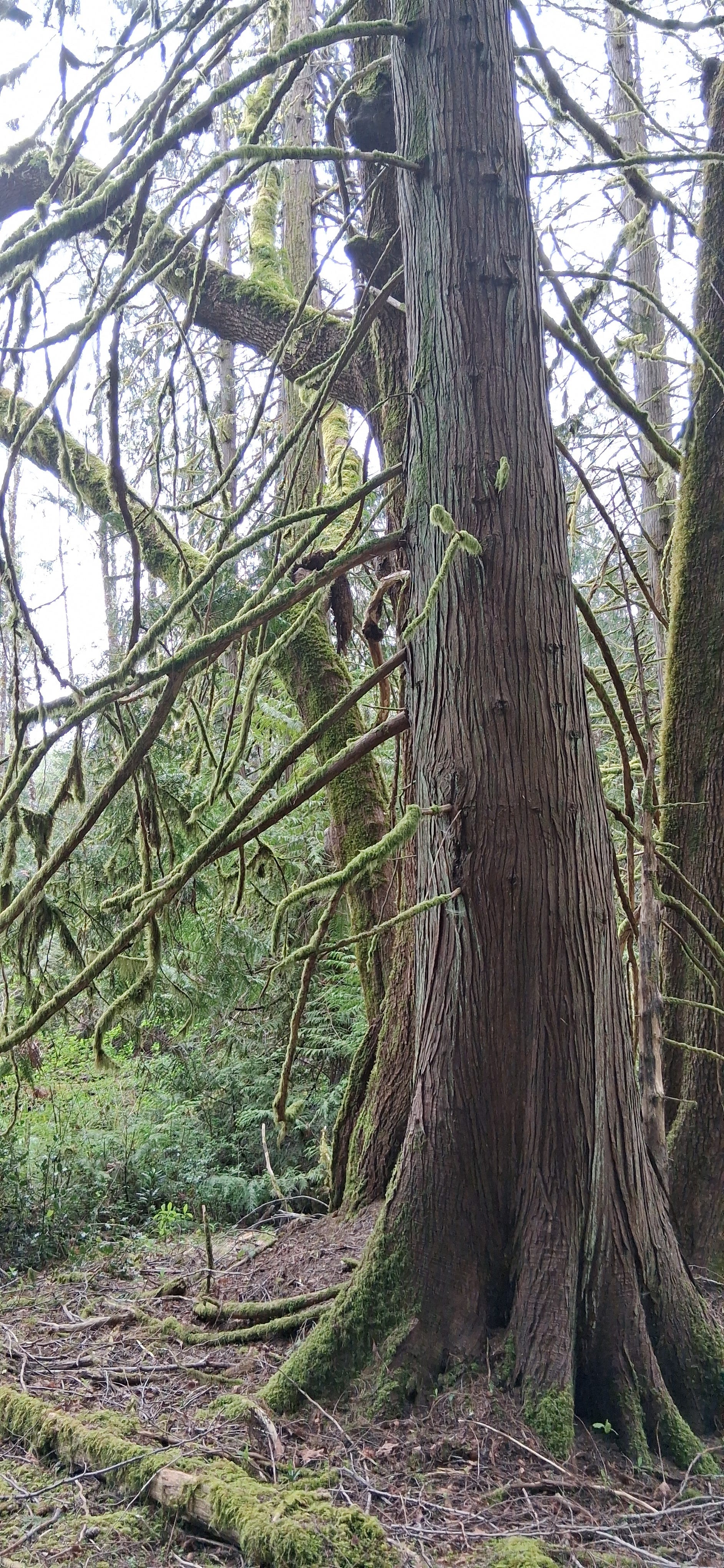
Trees have existed within Earth for hundreds of millions of years. Consider that they can live for thousands of years, and in one place! Their adaptive wisdom is immense, but we don’t always acknowledge it because it appears so differently from animal adaptation, (and we tend to be plant blind). You know what animals do during drought, you know what thirst and drought feels like in your own body. If trees experience drought they also feel it and respond by closing their stomata (openings under the leaves that allow for exchange of gases, including water vapour). They slow their growth, and show dryness in their wilting leaves. They also access water through symbiotic relationships with fungi attached to their roots. As individual trees grow they hold memories, and the story of their past shown in tree rings. As the tree species evolves it holds memory of adaptation to past stressors, shown in shapes and structures, symbiotic relationships, and chemistry. Through intentional observation we can gain adaptive understanding from species who have survived on Earth for much longer than we have. This is the morphological language of plants and the wisdom they share with us when we slow down and deeply observe their adaptations.
As I round the bend I notice a tree much larger than the others here. I wonder how long she has been standing and what she has witnessed in her time here. What creatures have nested in her boughs? What weather extremes has she endured? Her thick bark protects her, her leaves are unfurling after a winter of dormancy, her offspring are hidden in the darkness gifted them by squirrels. Her ways have helped her survive here for longer than I have been alive.
If humans experience drought we feel thirst, conserve water, and journey to springs, rivers, and lakes. The dryness may show in our skin. As we grow we hold memory of our experiences and show that story in our smiles, our wrinkles, our shapes, and body chemistry. As our species evolves we hold a collective memory, in our biochemical ways of coping and responding to chronobiology and stressors. We respond instinctually with changes in our nervous system function, including shifts in neurotransmitters and hormones. We get caught up in modern living and seemingly subtle shifts go unnoticed, but can still access long held wisdom within ourselves. We can tap into interoception and feel our body’s chronobiological rhythms and listen to needs spoken to us quietly based our species’ millions of years of adaptive development. Connection with plants, slowing down to plant speed and time scale, helps us access the long held human wisdom we each carry in the form of intuition. In the softness of plant time scales, the limitations of logic give way to the patterns of the metaphorical language.
As I reach out and run my hand along her rough bark, my analytical mind softens. I don’t need to know her name or her measurements, or anything else that my logical human mind can conjure. In relationship with her I can access a much more vast aspect of Self. Deep time, beyond my own lifetime speaks in a language beyond words. While my analytical minds help me with many aspects of life, it fails to answer certain questions that weigh on me. Tapping into my senses and slowing down to plant speed helps me access my intuition, this aspect of me that is part of the adaptive evolutionary history of my species.
The rain is coming down now. I sit with the enormous tree. Her thick bark keeps her from becoming sodden in the rain. I think of my own need to protect myself in the current challenges in my own life. The downpour of emotions and opinions from the outside world has me feeling sodden. But although her thick bark seems to be an impenetrable barrier, she is not separate from the world around her. In my mind’s eye I see the rain flowing to her roots and some of the water entering her inner world, filtered. She receives it as though through a filtering shield placed at the points where she has accepted connection. Water flows through her, but she is not taken over by the flood. I too can choose to remain connected, to listen to others while maintaining the orientation of my own internal compass. Looking up, her branches appear to go every which way, but her trunk is strong, solid, and straight as though she knows which way she is going. As I leave her presence and walk out of the woods, I too know which way I am going. I remember.
~ Until next time,
Lindsay
All words and images my own, human made.
PS - I am deep in the in-person residency of my Masters program in Environmental Education and Communication. It is a good thing this article was simmering in my drafts for many months and was finally ready to emerge! I invite you to share your own sensory experiences in nature in the comments. These embodied moments and the perspectives we gain from observing plants are key to forming our ecological identities.
The Woven Web is a reader-supported publication. Your paid subscriptions and one-time financial contributions support my writing, my family, and further education I am embarking on to expand my skills as an environmental educator. Your comments, restacks, and hearts are also appreciated!
Written version of the Tree Adaption Meditation:
Reconnection: Adaptation meditation

This is adapted from a guided meditation I offered in a forest bathing session in a forest full of large trees (mostly Douglas Firs and Western Red Cedars). I offer it in writing here to share the idea and to weave your threads into this part of the web. There is now an audio version too! It can be
Audio version of the Tree Adaption Meditation:
Reconnection: Tree adaptation meditation (audio)

You can listen to this anywhere, including inside, but it may be best experienced while sitting on the earth. You need not sit against a tree, as the tree here is held in the mind’s eye. Before you begin take some time to simply sit and breathe and observe your body and your senses.
"i thank You God for this amazing"
i thank You God for most this amazing
day: for the leaping greenly spirits of trees
and a blue true dream of sky; and for everything
which is natural which is infinite which is yes
(i who have died am alive again today,
and this is the sun’s birthday; this is the birth
day of life and of love and wings: and of the gay
great happening illimitably earth)
how should tasting touching hearing seeing
breathing any—lifted from the no
of all nothing—human merely being
doubt unimaginable You?
(now the ears of my ears awake and
now the eyes of my eyes are opened)
e. e. cummings